Zinc Die Casting in Vietnam: Hot Chamber Capabilities, Zamak Alloys & Factory Guide (2026)
March 11, 2026 · 14 min read
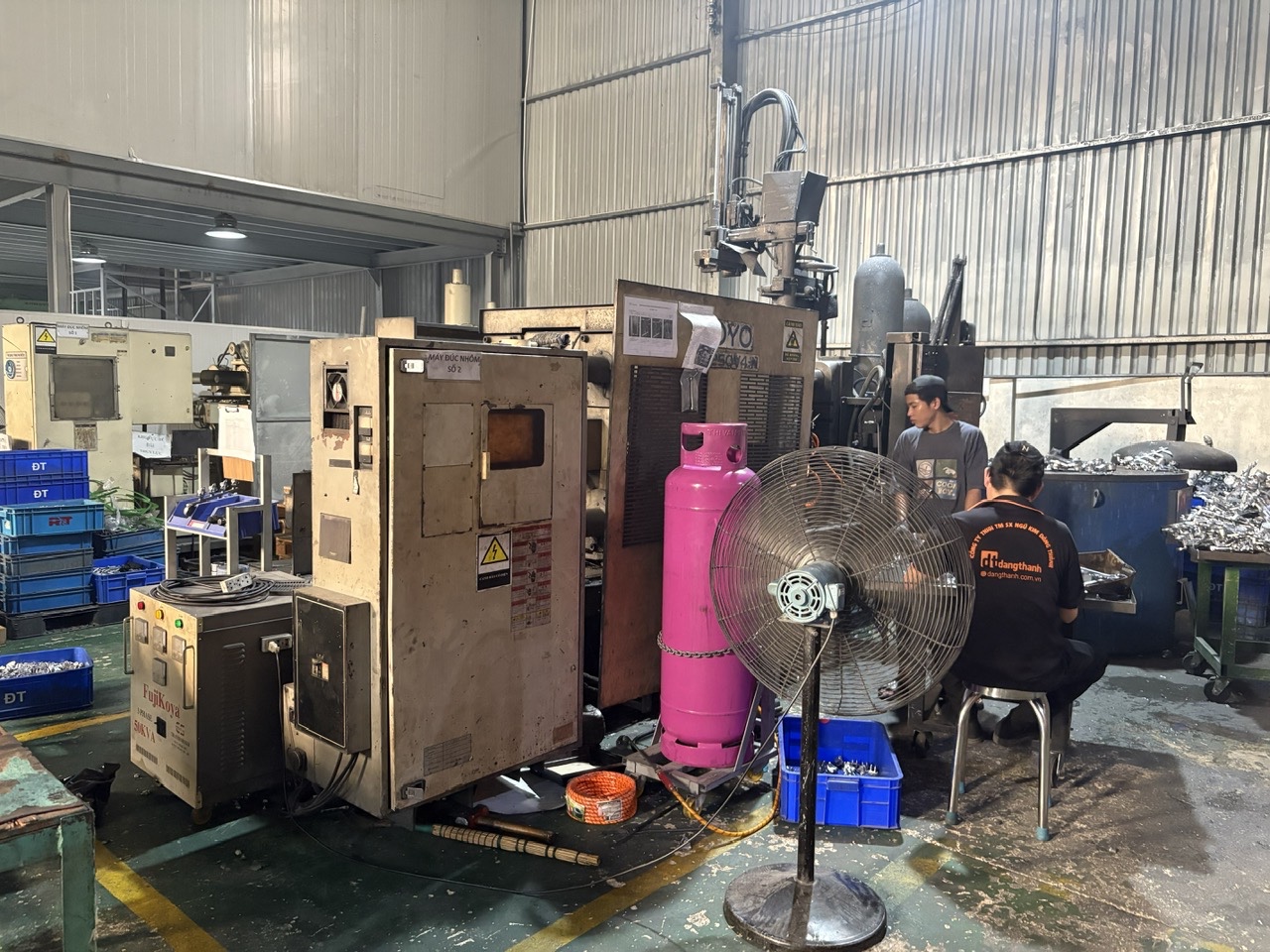
Vietnam's zinc die casting industry has undergone a transformation in the past five years. Driven by Japanese, Korean, and Taiwanese investment in southern Vietnam's industrial zones, the country now hosts dozens of hot chamber foundries capable of producing precision Zamak castings for global markets — automotive, electronics, hardware, locks, connectors, and consumer products.
This guide maps Vietnam's zinc die casting capabilities for international buyers: what alloys are available, what machines and equipment the factories run, what tolerances and finishes are achievable, and how costs compare to other global sourcing regions.
Vietnam's Zinc Die Casting Landscape
Vietnam's zinc die casting capacity is concentrated in three industrial clusters:
Binh Duong Province
The heart of Vietnam's die casting industry. VSIP (Vietnam-Singapore Industrial Park) and My Phuoc industrial zones host the highest concentration of hot chamber foundries. Multiple Japanese-invested facilities here run Toshiba DC machines alongside domestic companies with LK and Frech equipment. Binh Duong factories serve automotive Tier 1 suppliers, electronics OEMs, and hardware exporters.
Dong Nai Province
Nhon Trach and Long Thanh industrial zones host Korean-invested die casting operations focused on automotive and electronics components. Proximity to Cat Lai port keeps logistics costs low. Several foundries here have IATF 16949 certification for automotive quality management.
Ho Chi Minh City — Thu Duc & Binh Tan
Urban factories focused on smaller, precision zinc castings for electronics connectors, lock components, and decorative hardware. These shops tend to be more specialized, with advanced multi-slide machines for complex small parts.
Zamak Alloys Available in Vietnam
Vietnamese zinc die casters work with the full Zamak family. Alloy ingot is sourced from regional suppliers including Nyrstar (Thailand), Korea Zinc, and domestic Vietnamese recyclers with spectrometer-verified composition.
| Alloy | Standards | Key Properties | Common Applications |
|---|---|---|---|
| Zamak 3 | ASTM B86-3, EN 12844 ZnAl4 | 283 MPa tensile, 6.6 g/cm³, best castability | General hardware, enclosures, connectors, handles |
| Zamak 5 | ASTM B86-5, EN 12844 ZnAl4Cu1 | 331 MPa tensile, better creep resistance | Automotive brackets, structural parts, high-load components |
| Zamak 2 | ASTM B86-2, EN 12844 ZnAl4Cu3 | 359 MPa tensile, highest hardness (130 BHN) | Bearings, bushings, wear parts, lock cylinders |
| ZA-8 | ASTM B86 ZA-8 | 374 MPa tensile, 8.3% aluminum | Strength-critical parts, die-to-bearing conversion |
Zamak 3 accounts for approximately 70% of zinc die casting production in Vietnam, followed by Zamak 5 at 25%. Zamak 2 and ZA-8 are available on request from specialized foundries.
Factory Equipment & Machine Capabilities
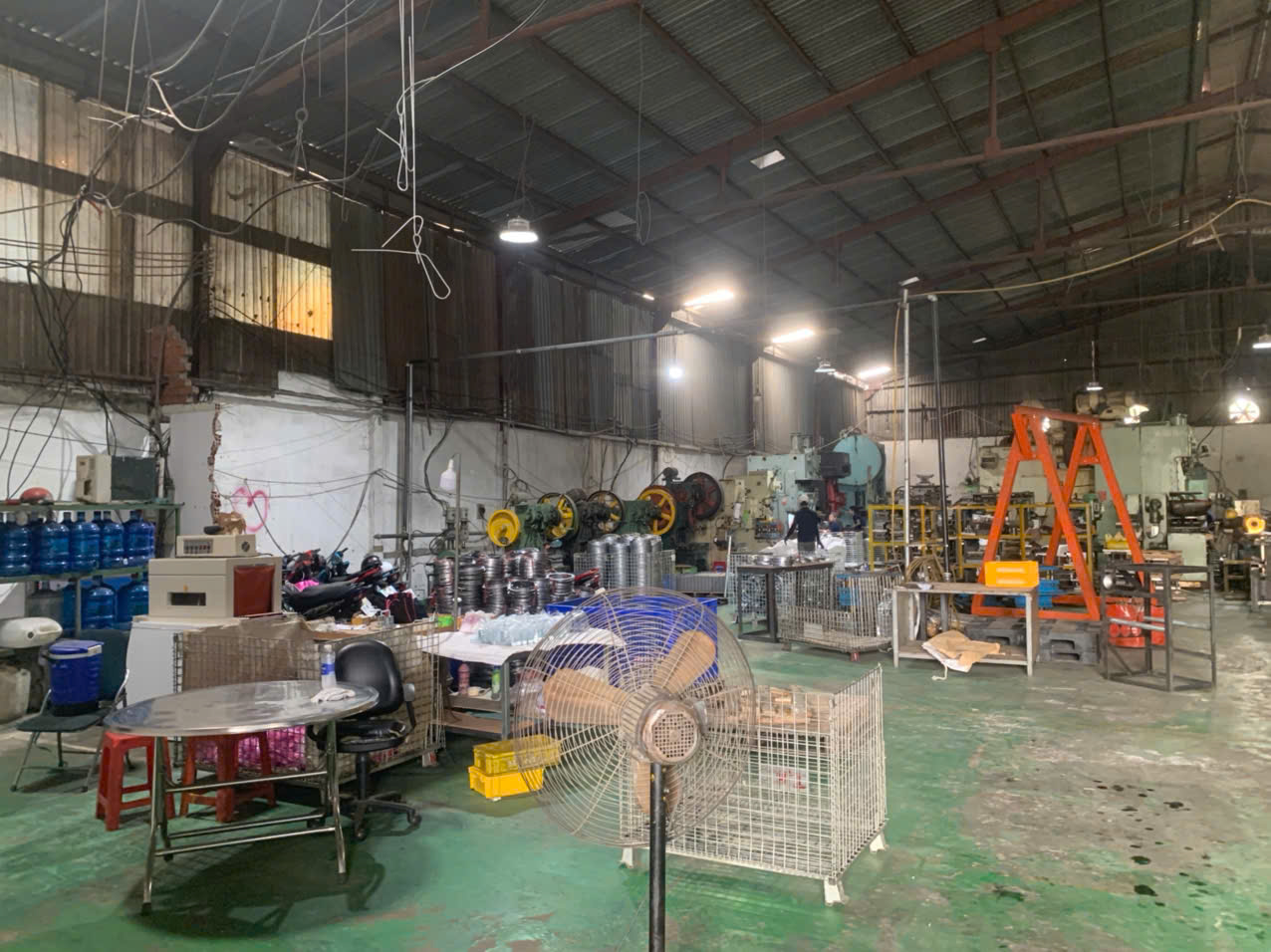
Vietnam's zinc die casting foundries run equipment from the world's leading manufacturers:
Hot Chamber Machines
- LK (Hong Kong): DCC series, 88–400 ton. Most common brand in Vietnam. Reliable workhorses for medium-volume production.
- Toshiba (Japan): DC series, 125–800 ton. Found in Japanese-invested factories. High precision servo-hydraulic control for tight tolerance work.
- Frech (Germany): DAW series, 80–315 ton. Premium machines in factories serving European automotive OEMs.
- Yizumi (China): H series, 88–300 ton. Newer entrant, increasingly common in cost-competitive shops.
Multi-Slide & 4-Slide Machines
Several Vietnamese foundries operate multi-slide machines for complex small parts — producing geometries impossible with conventional two-plate dies. These machines are particularly common in lock hardware and electronics connector production, yielding parts with features on all four sides in a single shot.
Secondary Equipment
- CNC machining centers for post-cast milling, drilling, and tapping (Fanuc, Brother, Haas)
- Tumbling & vibratory deburring for batch finishing
- Spectrometers (Hitachi, Oxford) for incoming material verification
- CMM (Mitutoyo, Hexagon) for dimensional inspection
- X-ray inspection for porosity detection on critical parts
- Electroplating lines — in-house copper-nickel-chrome and zinc plating at several foundries
Achievable Tolerances & Surface Finishes
| Specification | Standard Capability | Premium Capability |
|---|---|---|
| Linear tolerances (as-cast) | ±0.05 mm per 25 mm | ±0.025 mm per 25 mm |
| Minimum wall thickness | 0.6 mm | 0.4 mm (multi-slide) |
| Minimum draft angle | 0.75° | 0.25° (with polished die) |
| Surface finish (as-cast) | Ra 1.6–3.2 μm | Ra 0.8–1.6 μm |
| Flatness | 0.05 mm per 25 mm | 0.025 mm per 25 mm |
| Weight range | 3g – 3 kg | Micro parts <1g available |
These tolerances meet NADCA precision-grade standards. For features requiring tighter control — bores, threads, sealing surfaces — secondary CNC machining is available in-house at most foundries.
Tooling: Design & Manufacturing Capabilities
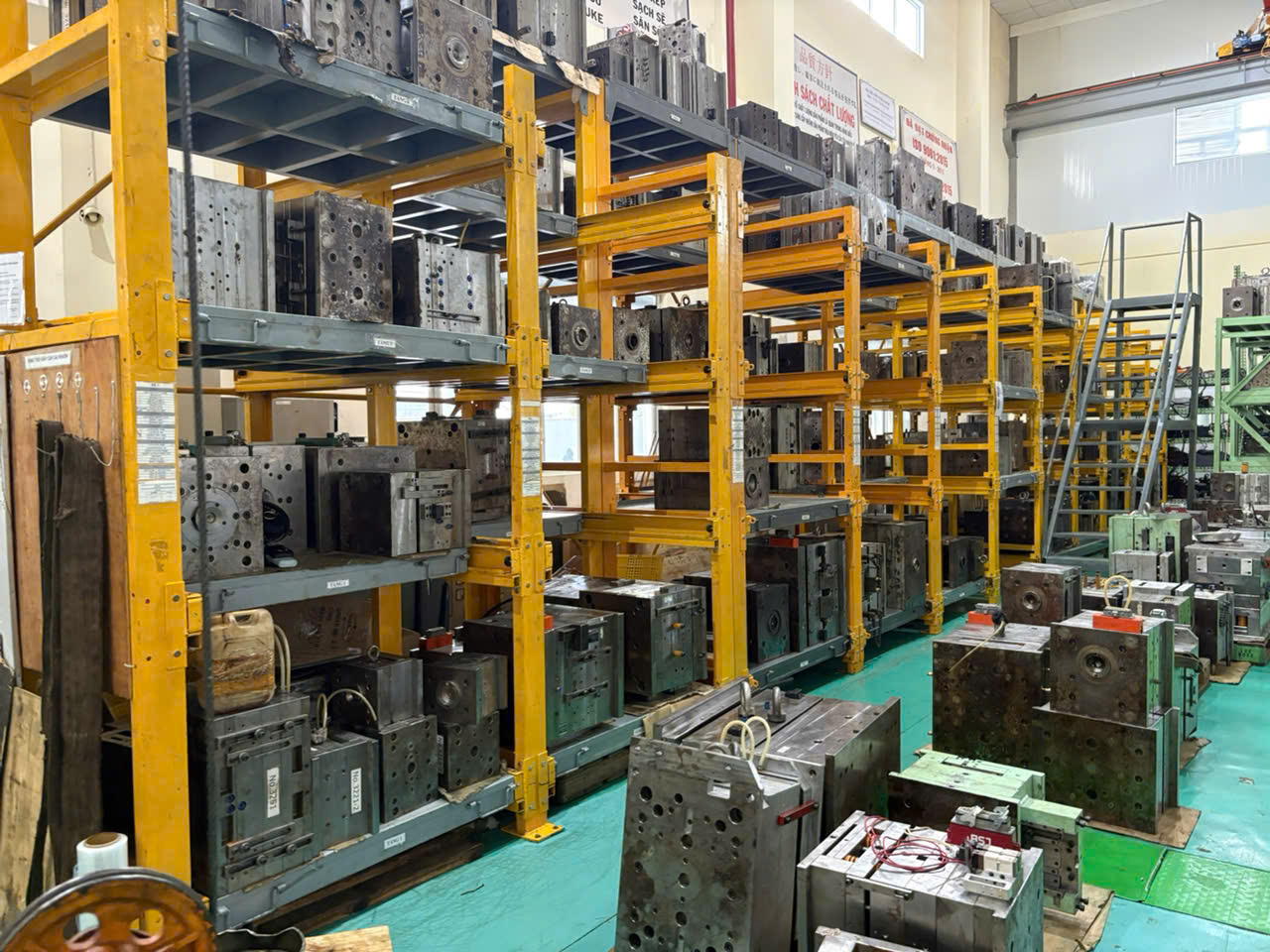
Most Vietnamese zinc die casting foundries have in-house tooling departments — a significant advantage over factories that outsource die making. In-house tooling means faster iteration, better communication between die designers and production engineers, and easier modification during trials.
Tooling Cost Benchmarks (2026)
| Die Type | Vietnam Price | Die Life (Zamak 3) |
|---|---|---|
| Single cavity, no slides | $3,000–6,000 | 500,000–1,000,000 shots |
| 2–4 cavity or 1–2 slides | $6,000–15,000 | 500,000–800,000 shots |
| Multi-cavity + complex slides | $15,000–30,000 | 400,000–700,000 shots |
| Multi-slide / 4-slide specialty | $8,000–20,000 | 300,000–600,000 shots |
Tool steel is typically H13 or SKD61, heat treated to 44–48 HRC. Premium dies use Bohler W302 or Daido DHA1. Die design is done in SolidWorks or UG NX with flow simulation (MAGMASOFT or ProCAST at select foundries).
Surface Finishing Capabilities
One of zinc's greatest advantages is its compatibility with virtually every finishing process. Vietnamese foundries offer these finishes in-house or through integrated finishing partners:
- Chrome plating (decorative): Copper-nickel-chrome tri-layer. Bright, satin, or matte chrome. 24–200 hour salt spray resistance depending on layer thickness. In-house plating available at several foundries.
- Nickel plating: Bright nickel, electroless nickel, or satin nickel. RoHS-compliant formulations standard.
- Powder coating: Polyester, epoxy, and hybrid powder coats in RAL color range. 60–120 μm thickness. UV resistant for outdoor hardware.
- Anodic oxidation (Zinc-specific): Black, olive, or clear conversion coatings for corrosion protection without thickness change.
- PVD coating: Available through finishing partners for premium consumer electronics and luxury goods applications.
- E-coating (cathodic electrodeposition): Uniform corrosion protection for complex geometries. Popular for automotive applications.
- Painting: Wet spray, liquid painting with primer + topcoat for custom colors and textured finishes.
Cost Comparison: Vietnam vs Global Sources
Benchmark pricing for a typical 150g Zamak 3 electronics enclosure at 100,000 annual volume:
| Region | FOB Per Part | Trade Advantages |
|---|---|---|
| Vietnam | $0.50–0.72 | 0% duty to US, EU (EVFTA), Japan, Korea (RCEP), UK (UKVFTA) |
| China (coastal) | $0.45–0.65 | +25% US tariff; EU anti-dumping scrutiny |
| India | $0.55–0.80 | Variable quality; longer lead times; improving FTAs |
| Mexico | $0.80–1.10 | USMCA duty-free to US; higher labor cost |
| US / Europe | $1.20–1.80 | No logistics; highest cost structure |
When US import duties are factored in, Vietnam offers the lowest landed cost of any sourcing region. For European buyers, the EU-Vietnam Free Trade Agreement (EVFTA) provides preferential rates on manufactured goods. Japanese, Korean, and Australian buyers benefit from RCEP tariff reductions.
Quality Certifications & Standards
Vietnamese zinc die casting foundries in the DEWIN network hold:
- ISO 9001:2015 — Quality management system (standard across all partner factories)
- IATF 16949 — Automotive quality management (factories serving Tier 1 automotive suppliers)
- ISO 14001 — Environmental management (increasingly required by European OEMs)
- RoHS / REACH compliance — Standard for electronics and EU-bound products
- UL recognition — For electrical enclosures and components
- NADCA member standards — Dimensional tolerance and surface finish per NADCA Product Specification Standards
Quality Control Process
- Incoming material inspection: Spectrometer analysis of every zinc ingot batch — verifying ASTM B86 composition (Al, Cu, Mg percentages within spec)
- Process monitoring: Shot-by-shot parameter logging — injection pressure, metal temperature, cycle time, die temperature
- In-process inspection: SPC charts on critical dimensions, visual inspection per limit sample standards
- Final inspection: CMM dimensional verification, salt spray testing on plated parts, functional testing per customer spec
- Documentation: Material certificates, dimensional reports, PPAP packages for automotive customers
Industries Served by Vietnam's Zinc Foundries
- Automotive: Interior trim components, seat frame brackets, mirror housings, door handle mechanisms, sensor housings — for Japanese, Korean, and European OEMs with Vietnam assembly plants
- Electronics: EMI/RFI shield enclosures, connector housings, heat spreaders, USB-C connector shells — precision parts for global brands
- Lock & Security: Cylinder bodies, padlock cases, deadbolt housings, cabinet locks — Vietnam is a growing exporter to US and EU hardware markets
- Furniture & Architectural Hardware: Drawer pulls, cabinet hinges, door hardware, curtain rod brackets — decorative chrome and satin nickel finishes
- Plumbing: Faucet handles, shower components, valve knobs — chrome-plated decorative parts
- Consumer Products: Power tool housings, small appliance components, toy parts, zipper pulls — high-volume production
- Industrial Equipment: Pneumatic fittings, cable clamps, terminal blocks, junction box housings
How to Source Zinc Die Castings from Vietnam
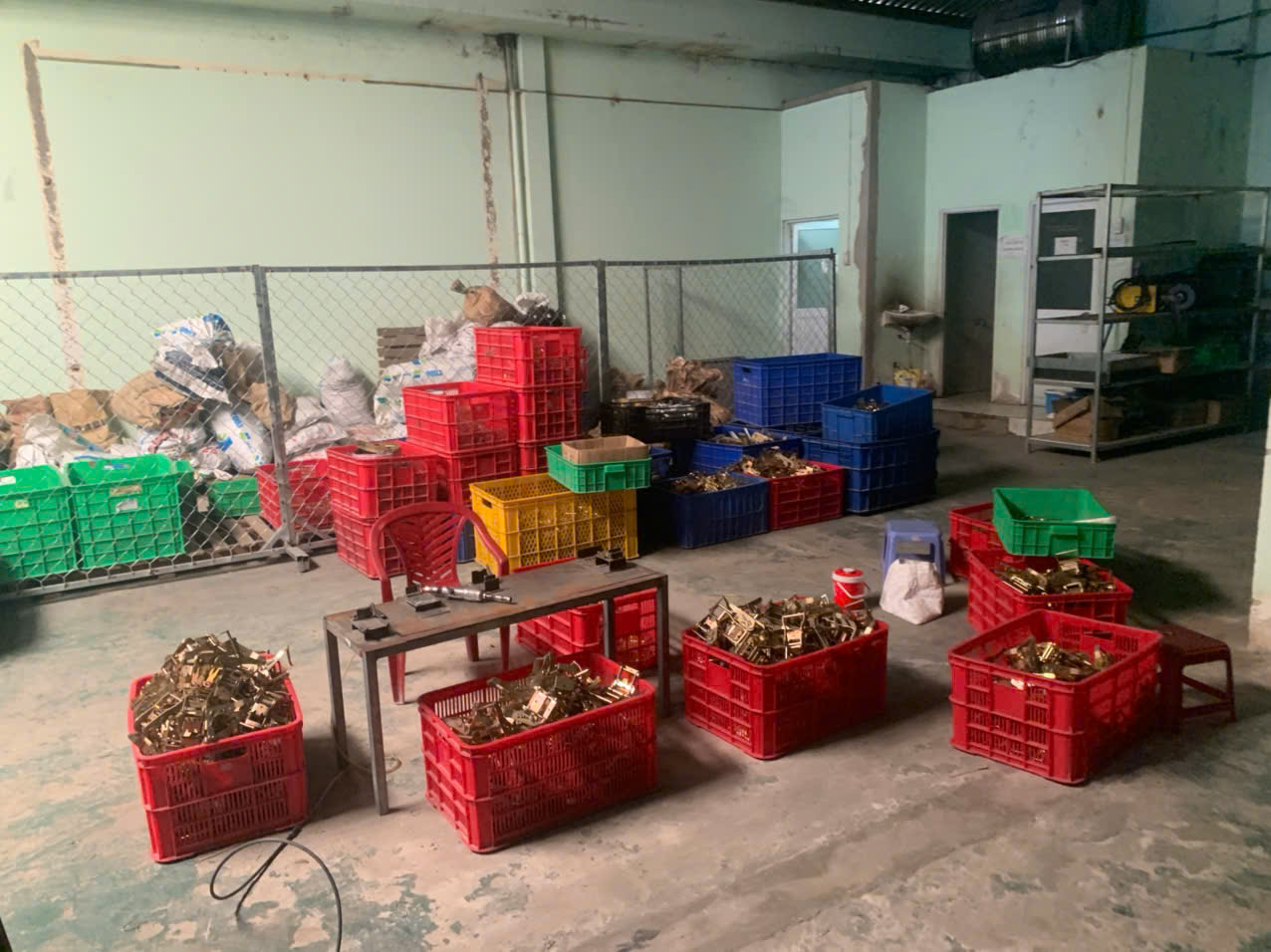
- Prepare your technical package: 3D model (STEP preferred), 2D drawing with GD&T, alloy specification (per ASTM B86), surface finish requirements, annual volume, and any compliance requirements (RoHS, UL, IATF).
- Submit your RFQ to DEWIN: We match your requirements to the best-fit foundries in our audited network — considering machine tonnage, alloy experience, finishing capabilities, and certification status.
- Review factory profiles: Receive detailed factory dossiers with equipment inventories, floor photos, certification copies, and DEWIN audit scores. You see where your parts will be made before committing.
- Die design review: Our engineering team reviews the die design proposal — gating, venting, cooling, ejection — before the foundry cuts steel. This prevents costly trial iterations.
- First article approval: T1 trial samples produced, inspected on-site by our team, and shipped to you for validation. Dimensional report, material cert, and photos provided.
- Production monitoring: Our inspectors visit during production milestones — setup, mid-run, and final. SPC data, parameter logs, and photo documentation at each stage.
- Logistics: We coordinate packaging, export documentation, and freight forwarding to any global destination.
Our Factory Network
DEWIN's manufacturing network includes 179+ audited factories across southern Vietnam, with 9,300+ factory floor photos and 659 production videos in our database. For zinc die casting, we work with foundries ranging from 20-employee precision shops to 500+ employee integrated casting-machining-plating operations.
Unlike anonymous sourcing platforms, we show you the actual factory — the machines, the people, the quality systems. Every factory in our network has been physically audited by our on-the-ground team.
Get a Zinc Die Casting Quote →
Frequently Asked Questions
What Zamak alloys are commonly available in Vietnam?
Zamak 3 and Zamak 5 are stocked by all zinc die casting foundries in our network. Zamak 2 and ZA-8 are available from specialized foundries with 2–3 week lead time for ingot procurement.
What is the minimum order quantity?
Typical MOQ is 2,000–5,000 pieces for production runs. First article quantities of 200–500 pieces are standard. Some foundries accept smaller runs (500–1,000 pieces) for simple single-cavity parts.
Can Vietnam foundries handle in-house plating?
Several foundries in our network have integrated electroplating lines — copper-nickel-chrome, zinc plating, and nickel plating. For specialized finishes (PVD, e-coating), we use dedicated finishing partners within the same industrial zone for minimal transport time.
How does Vietnam zinc casting quality compare to China?
Top-tier Vietnamese foundries — particularly those with Japanese or Korean parent company training — produce quality equal to coastal China. The key differentiator is factory selection and ongoing quality monitoring, which DEWIN provides through our auditing and inspection services.