10 Injection Molding Design Rules Every Engineer Should Know
February 12, 2025 · 9 min read
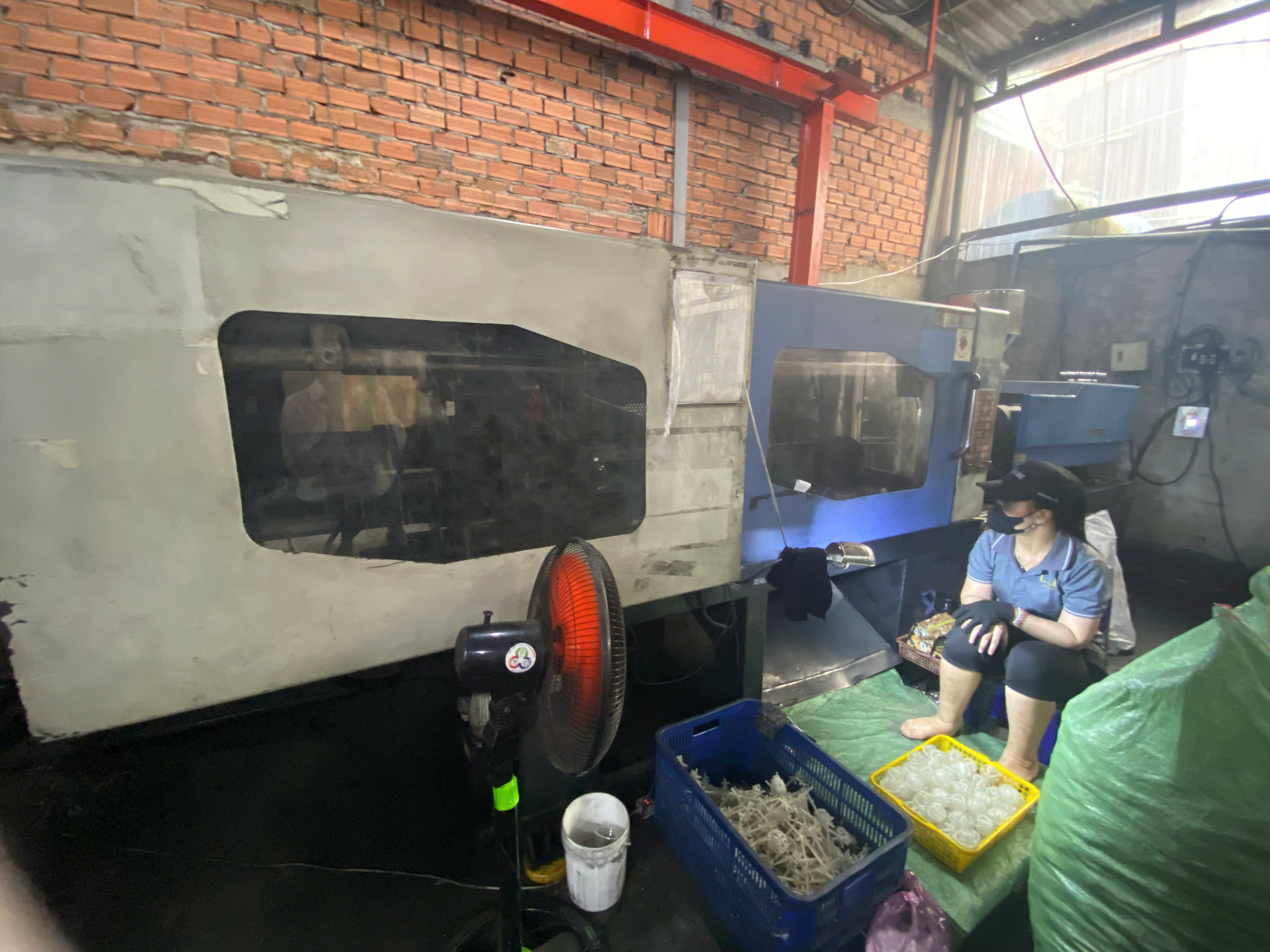
Injection molding is one of the most versatile and cost-effective manufacturing processes for producing plastic parts at scale. But a design that looks great in CAD can quickly turn into a nightmare on the production floor if basic molding principles are ignored. These ten design rules will help you avoid common defects, reduce tooling iterations, and get parts right the first time.
1. Maintain Uniform Wall Thickness
Uneven wall thickness is the single biggest source of injection molding problems. Thick sections cool slower than thin ones, creating internal stresses that lead to warping, sink marks, and voids. Aim for a consistent wall thickness throughout the part — typically 1.5–3 mm for most engineering plastics. Where thickness transitions are unavoidable, use gradual tapers (3:1 ratio) rather than abrupt steps.
2. Add Draft Angles to Every Vertical Surface
Draft is a slight taper applied to surfaces parallel to the mold's opening direction. Without it, parts stick to the mold during ejection, causing drag marks, surface damage, or even cracked parts. A minimum of 1° draft per side is standard; textured surfaces need 1.5–3° depending on texture depth. This small concession in geometry saves enormous headaches in production.

3. Design Ribs Instead of Thick Walls
When a part needs structural rigidity, the instinct is to make walls thicker. Resist it. Thick walls increase cycle time, material cost, and defect risk. Instead, add ribs: they provide stiffness at a fraction of the material. Keep rib thickness at 50–70% of the adjoining wall, rib height no more than 3× wall thickness, and add 0.5° minimum draft on rib sides.
4. Use Generous Radii at Corners
Sharp internal corners concentrate stress and impede material flow during filling. They also create hot spots where plastic cools unevenly. Add internal radii of at least 0.5× the wall thickness (ideally 0.75×). External radii should equal the internal radius plus the wall thickness. This seemingly minor detail significantly improves part strength and moldability.
5. Position Gates Strategically
The gate is where molten plastic enters the cavity. Its location affects fill pattern, weld line placement, and surface appearance. Place gates at the thickest section so material flows from thick to thin. Keep gates away from cosmetic surfaces and structural load paths. For large parts, multiple gates may be needed — but each additional gate creates a weld line where flow fronts meet.
6. Minimize Undercuts
Undercuts are features that prevent the part from being pulled straight out of the mold. They require side actions, lifters, or collapsing cores — all of which increase tooling cost and complexity. Where possible, redesign features to eliminate undercuts. When they're unavoidable, keep them simple and accessible so the mold mechanisms remain reliable over thousands of cycles.
7. Account for Shrinkage
All plastics shrink as they cool — typically 0.4–2% depending on the material. Semi-crystalline materials (nylon, POM, PP) shrink more than amorphous ones (ABS, PC, PMMA). Uneven shrinkage causes warping. Design with consistent wall thickness, ensure adequate packing pressure, and work with your mold designer to compensate for material-specific shrink rates in the tool steel.
8. Design Bosses for Assembly
Bosses are cylindrical features used for screw fastening and alignment. The outer diameter should be 2–2.5× the screw diameter, and wall thickness should be 50–75% of the nominal wall. Connect bosses to nearby walls with ribs rather than thickening the boss itself. Freestanding bosses with thick walls create sink marks on the opposite surface.
9. Plan for Ejection Early
Every part must be ejected from the mold without damage. Flat surfaces create vacuum adhesion; deep cores grip the part tightly. Design ejector pin pads (flat areas where pins can push) on non-cosmetic surfaces. Ensure adequate draft on cores. For deep-draw parts, consider stripper plates or air-assist ejection. Ejection planning during design prevents costly mold revisions later.
10. Prevent Jetting and Flow Defects
Jetting occurs when molten plastic shoots through the gate into an open cavity like a stream rather than spreading as a flow front. The result is visible snake-like lines on the part surface. To prevent jetting, position the gate so material impinges on a wall or pin immediately upon entry. Thicker gates, slower initial injection speed, and higher mold temperatures also help ensure smooth, laminar flow.
Bringing It All Together
Good injection molding design isn't about memorizing rules — it's about understanding how plastic flows, cools, and shrinks inside a steel cavity. Every feature you add to a CAD model has consequences on the production floor. The earlier you apply these principles, the fewer tooling iterations you'll need and the faster you'll reach production-ready parts.
Need Injection Molding Support from Vietnam?
DEWIN partners with experienced injection molding factories across Vietnam. From DFM review to production, we manage the entire process. Request a quote →