Die Casting: The Complete Manufacturing Guide
October 28, 2024 · 10 min read
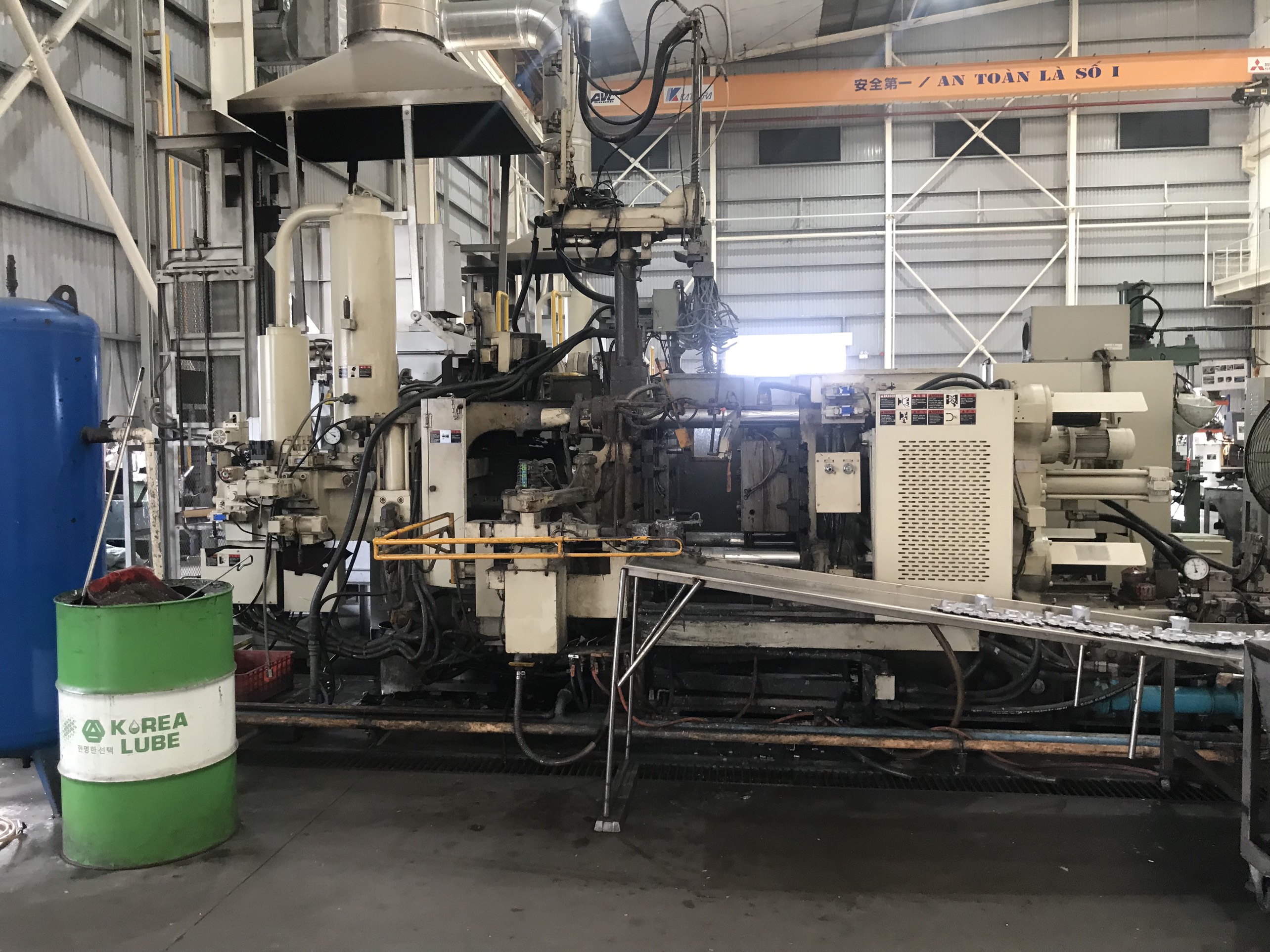
Die casting has been shaping modern manufacturing since 1849, when the first patents were filed for producing printing press type. Today, it's one of the most efficient ways to produce high-precision metal parts at scale. Whether you're in automotive, electronics, or industrial hardware, understanding die casting is essential for smart sourcing decisions.
What Is Die Casting?
Die casting is a manufacturing process where molten or semi-molten metal is injected into a precision steel mold (the "die") at high speed and high pressure. The metal cools and solidifies under pressure, producing parts with excellent dimensional accuracy and surface finish.
Advantages of Die Casting
- High production speed: Mechanized and automated processes enable rapid production cycles, making die casting ideal for high-volume orders.
- Excellent dimensional accuracy: Tolerances of CT3–CT6 and surface roughness of Ra 0.8–3.2μm mean many parts can be used directly without machining.
- Integrated assembly: Inserts can be cast directly into parts, eliminating separate assembly steps and reducing total manufacturing complexity.
- High strength: Die castings can achieve tensile strengths up to 415 MPa.
Disadvantages to Consider
- High tooling costs: Die casting machines, alloys, and molds represent significant upfront investment — making it unsuitable for small batches.
- Size limitations: Machine clamping force and mold size restrict the production of very large parts.
- Porosity risk: High-speed filling makes it difficult to fully evacuate gas from the mold cavity, potentially causing internal porosity. This also means most die castings cannot be heat-treated or welded.
- Limited alloy selection: Primarily aluminum, magnesium, zinc, and copper alloys.
Common Die Casting Metals
| Metal | Key Properties |
|---|---|
| Aluminum | Lightweight, high stability for thin walls, excellent corrosion resistance |
| Zinc | Easy to cast, high ductility, excellent surface finish, ideal for small parts |
| Magnesium | Lightest structural metal, good strength-to-weight ratio |
| Copper | Superior thermal/electrical conductivity, high hardness and corrosion resistance |
Industry Applications
Die casting is everywhere: automotive components (engine blocks, transmission housings), electronic enclosures, door and window hardware, lighting fixtures, and industrial equipment housings. The combination of precision, speed, and repeatability makes it the process of choice for medium-to-high volume production.
Sourcing Die Cast Parts from Vietnam?
DEWIN works with certified die casting factories across Vietnam. Request a quote →