Custom Forging Manufacturing in Vietnam: Hot, Cold & Closed-Die Forging Guide (2026)
March 2, 2026 · 18 min read
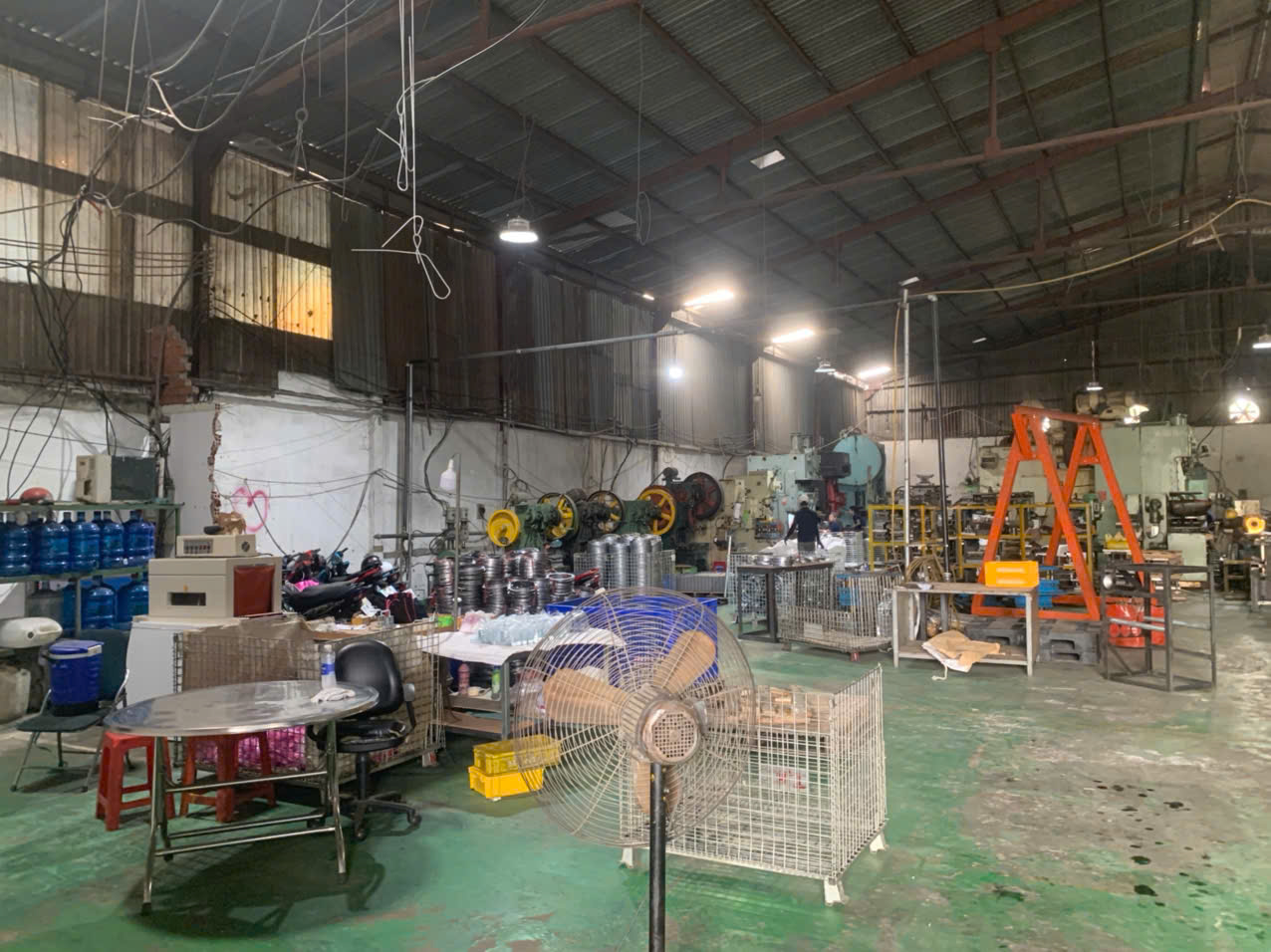
Forging produces the strongest metal parts available from any manufacturing process. The grain flow alignment created during forging gives parts 20–30% higher fatigue strength than equivalent CNC-machined or cast parts — which is why connecting rods, crankshafts, gear blanks, and structural fittings are almost always forged, never machined from billet.
Vietnam's forging industry has matured significantly since 2022, driven by automotive supplier development programs (Honda, Toyota, Yamaha all have Tier 1 forging suppliers in Vietnam), heavy equipment demand, and the China+1 shift. Today, Vietnamese forging shops run equipment from 300-ton to 16,000-ton presses, produce parts from 50g to 80kg, and hold tolerances that satisfy IATF 16949 automotive requirements.
This guide covers what you can source, what it costs, and how to specify forged parts for Vietnam manufacturing.
Forging Process Types Available in Vietnam
Hot Forging (Most Common)
The workpiece is heated above its recrystallization temperature — typically 1,100–1,250°C for carbon and alloy steels, 400–480°C for aluminum alloys, 700–800°C for brass and copper. At these temperatures, metals flow easily under pressure, allowing complex geometries with lower press tonnage.
Best for: Parts over 1kg, complex shapes, steel and alloy steel components. Most structural automotive parts, flanges, valve bodies, and agricultural machinery components use hot forging.
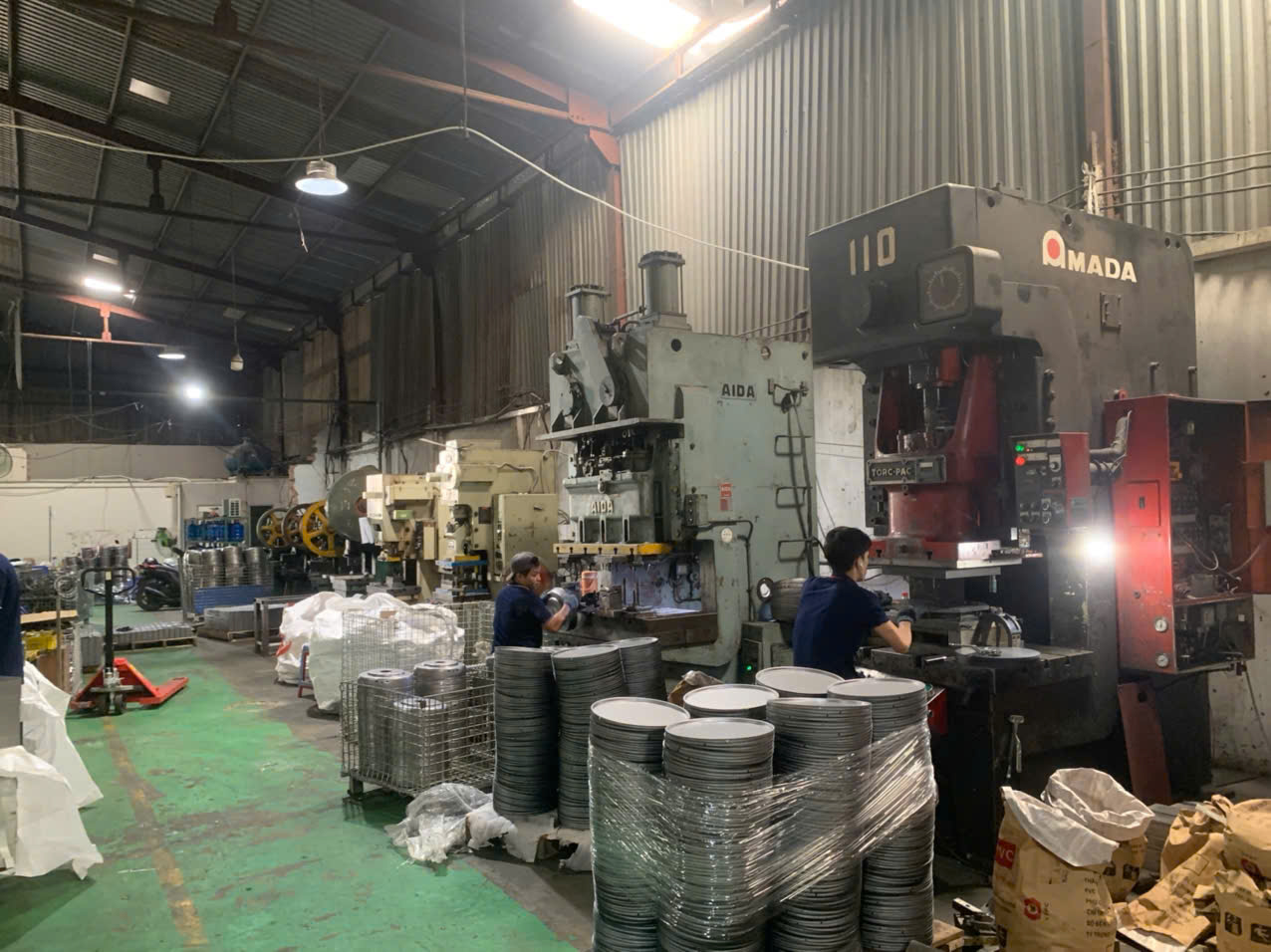
Vietnam capability: Closed-die hot forging up to 80kg part weight. Common press range: 1,000–10,000 tons. Induction heating (vs. gas furnace) is standard at quality-certified shops, giving ±10°C temperature control for consistent grain structure.
Tolerances: ±0.5–1.5mm on as-forged dimensions (per DIN 7526 Grade F or ASTM B247). Post-machining to ±0.02mm on critical features is standard practice.
Cold Forging (Precision, No Heating)
The workpiece is formed at room temperature. Cold forging produces tighter tolerances (±0.05–0.15mm as-forged), superior surface finish (Ra 0.8–3.2μm), and work-hardened surfaces — but requires 2–5× higher press forces and is limited to simpler geometries and smaller parts (typically under 3kg).
Best for: High-volume fasteners, pins, ball studs, small gear blanks, automotive socket and joint components. Cold-forged parts often need zero post-machining, making per-part costs extremely competitive at volume.
Vietnam capability: Multi-station cold forging headers (4–6 station) for fastener-type parts. Progressive cold forging presses 200–2,500 tons. Annual volumes from 100K to 10M+ pieces.
Materials: Carbon steel (AISI 1010, 1018, 1045), alloy steel (4140, 8620), stainless steel (304, 316 — limited formability), aluminum (6061, 2024), brass (C360, C377).
Warm Forging (Hybrid)
Formed at 600–900°C for steel (below recrystallization but above room temperature). Warm forging combines better tolerances than hot forging (±0.2–0.5mm) with lower press forces than cold forging. It's gaining traction in Vietnam for automotive parts that need near-net-shape precision without the die wear of cold forging.
Open-Die vs. Closed-Die (Impression Die)
Open-die forging: The workpiece is compressed between flat or simple-shaped dies. Used for large, simple shapes — shafts, rings, discs, blocks. Vietnam has open-die capacity for parts up to 500kg, primarily serving the oil & gas and heavy machinery sectors.
Closed-die (impression die) forging: The workpiece fills a cavity machined into upper and lower dies, producing near-net-shape parts with flash. This is what most US buyers need — custom shaped parts with good dimensional control. Vietnam's closed-die forging is the sweet spot: quality meets the ASTM/DIN standards, costs are 40–55% below US domestic forging.
Materials & Grade Availability
Vietnam forging shops stock or can readily source these grades:
| Material Family | Common Grades | Forging Temp (°C) | Typical Applications |
|---|---|---|---|
| Carbon Steel | AISI 1020, 1035, 1045, 1060 | 1,100–1,250 | Flanges, shafts, brackets, lever arms |
| Alloy Steel | 4130, 4140, 4340, 8620, 8640 | 1,050–1,200 | Connecting rods, gears, axle shafts, high-strength fittings |
| Stainless Steel | 304, 316, 316L, 410, 17-4PH | 1,050–1,150 | Valve bodies, pump components, marine fittings |
| Aluminum | 6061-T6, 2024-T4, 7075-T6 | 400–480 | Suspension parts, aerospace fittings, wheel hubs |
| Brass / Bronze | C360, C377, C863 | 700–800 | Plumbing fittings, electrical connectors, valve stems |
| Titanium | Ti-6Al-4V (Grade 5) | 900–950 | Aerospace, medical implants (limited Vietnam capacity) |
Material certification: All reputable Vietnam forging shops provide mill test certificates (MTCs) per EN 10204 3.1. For US buyers, specify ASTM material standards (A105 for flanges, A182 for stainless fittings, etc.) — Vietnam shops are familiar with both EN and ASTM specs.
Cost Benchmarks: Vietnam Forging Pricing 2026
Forging costs split into two components: die tooling (one-time) and per-piece production cost. Here's what to expect:
Die Tooling Costs
| Die Complexity | Vietnam | China | US Domestic |
|---|---|---|---|
| Simple (single cavity, <2kg part) | $2,000–$5,000 | $1,800–$4,500 | $8,000–$15,000 |
| Medium (multi-step, 2–10kg part) | $5,000–$15,000 | $4,500–$12,000 | $15,000–$35,000 |
| Complex (multi-cavity, >10kg, tight tolerances) | $15,000–$40,000 | $12,000–$30,000 | $40,000–$80,000 |
Die life in Vietnam typically ranges from 5,000–20,000 pieces for hot forging dies (H13 tool steel, heat-treated to HRC 44–48), depending on part complexity and forging temperature. Cold forging dies last 50,000–200,000+ shots.
Per-Piece Production Costs
| Part Type | Weight | Vietnam (per piece) | China (per piece) | US (per piece) |
|---|---|---|---|---|
| Carbon steel flange | 2kg | $3.50–$5.50 | $3.00–$5.00 | $12–$18 |
| Alloy steel connecting rod | 0.8kg | $2.80–$4.20 | $2.50–$3.80 | $8–$14 |
| Aluminum suspension arm | 1.5kg | $4.00–$6.50 | $3.50–$5.80 | $15–$25 |
| Stainless valve body | 5kg | $12–$18 | $10–$15 | $35–$55 |
| Cold-forged ball stud | 50g | $0.15–$0.25 | $0.12–$0.20 | $0.45–$0.80 |
Note: Vietnam pricing is typically 10–20% above China on raw forging cost, but when you add Section 301 tariffs (7.5–25% on Chinese forgings under HTS 7326/8207), the landed cost advantage flips to Vietnam. Vietnamese forgings enter the US at 0% duty under MFN rates for most categories.
Forging vs. Casting vs. CNC Machining: When to Choose Forging
This is the decision that trips up many procurement teams. Here's the engineering logic:
| Factor | Forging | Die Casting | CNC from Billet |
|---|---|---|---|
| Strength (fatigue life) | Best — grain flow alignment | Good — porosity risk | Good — grain not optimized |
| Tooling cost | $2K–$40K (dies) | $5K–$80K (molds) | $0 (no tooling) |
| Per-part cost (1K pcs) | $3–$15 | $2–$10 | $15–$60 |
| Minimum order | 500–1,000 pcs | 1,000–5,000 pcs | 1 pc |
| Dimensional tolerance | ±0.5mm (as-forged) | ±0.1mm | ±0.01mm |
| Material waste | 10–25% (flash) | 5–15% | 40–80% |
| Internal defects | Virtually none | Porosity common | Depends on billet quality |
Rule of thumb: If the part sees dynamic loads (fatigue, impact, vibration), volumes exceed 500 pieces/year, and you can accept ±0.5mm as-forged tolerances (with machining on critical surfaces), forging is almost always the right call. If you need <100 pieces or the geometry has internal channels or thin walls (<3mm), look at CNC or casting instead.
How to Specify Forged Parts in Your RFQ
A well-written forging RFQ saves weeks of back-and-forth. Include these elements:
- 3D model (STEP/IGES) + 2D drawing (PDF) — The drawing must show: finished dimensions (post-machining), machining stock allowance (typically 1.5–3mm per side for hot forgings), parting line location preference, and draft angles (3–7° for hot forging, 0.5–1° for cold forging).
- Material specification — Use ASTM/AISI/SAE designations. Specify heat treatment condition: "AISI 4140, quench & temper to HRC 28–32" is clear. "Strong steel" is not.
- Tolerance callouts — Separate as-forged dimensions from post-machined dimensions. Mark critical features that require CNC finishing.
- Testing requirements — Common specs: hardness testing (every piece), dimensional inspection (per AQL or 100%), material cert (MTR per EN 10204 3.1), ultrasonic testing (UT per ASTM A388 for safety-critical parts), magnetic particle inspection (MPI per ASTM E1444 for crack detection).
- Annual volume & order frequency — Forging shops price based on batch size and annual commitment. 500 pcs/order is a very different quote from 5,000 pcs/order.
- Surface finish requirements — As-forged surfaces are typically Ra 6.3–12.5μm. If specific surfaces need better finish, call them out for post-machining.
Post-Forging Operations Available in Vietnam
Vietnam's manufacturing ecosystem means you can source complete finished parts — not just raw forgings. Most DEWIN forging partners offer:
- Heat treatment: Normalizing, quench & temper, case hardening (carburizing), induction hardening, nitriding. In-house at most shops above 100 employees.
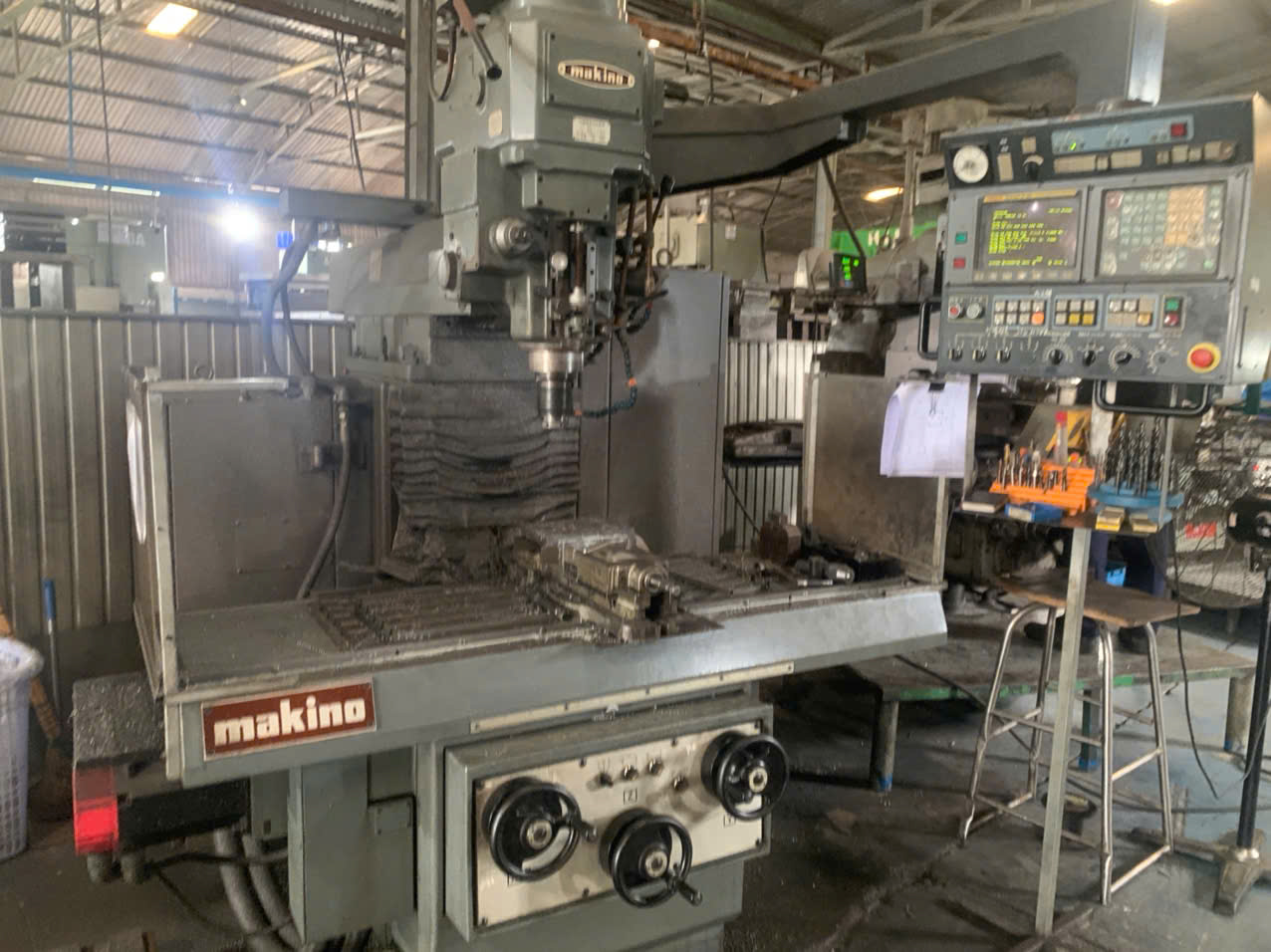
- CNC machining: Post-forge machining on critical surfaces to ±0.02mm. Vietnam shops routinely combine forging + machining in one facility or within the same industrial park.
- Surface treatment: Hot-dip galvanizing, zinc plating, phosphate coating, powder coating, painting. Black oxide for decorative/corrosion resistance.
- NDT (Non-Destructive Testing): Ultrasonic testing (UT), magnetic particle inspection (MPI), X-ray / radiographic testing (RT). Available at IATF 16949-certified suppliers.
- Assembly: Press-fitting bushings, welding sub-assemblies, packaging per customer spec (VCI paper for corrosion protection during ocean shipping).
Tariff & Trade Advantages: Vietnam vs. China Forging
This is where Vietnam forging becomes compelling even when China's raw prices are 10–20% lower:
- Section 301 tariffs on Chinese forgings: 7.5–25% additional duty on most forged steel and aluminum parts under Lists 3 and 4A. HTS codes 7326 (iron/steel articles) and 8207 (forged tools) are particularly affected.
- Vietnam MFN rates: 0–2.5% duty on most forged parts entering the US. The effective tariff delta is 10–25% — often wiping out China's raw cost advantage entirely.
- CPTPP (if US re-enters): Vietnam is a CPTPP member. If the US joins or creates a bilateral FTA, duty could drop to 0% across all categories.
- EU-Vietnam FTA (EVFTA): If you're dual-sourcing for US + EU markets, Vietnamese forgings enter the EU at reduced/zero duty — a significant advantage over Chinese or Indian forgings.
- Anti-dumping risk: Chinese forged flanges (HTS 7307) already face anti-dumping duties of 6.09–183.36%. Vietnam has no forging-specific anti-dumping orders from the US.
Lead Times & Typical Project Timeline
| Phase | Timeline | Notes |
|---|---|---|
| Quotation | 3–5 business days | Faster with complete 3D + drawing |
| Die design & manufacturing | 4–8 weeks | Complex multi-step dies take longer |
| Sample production (T1) | 1–2 weeks after die completion | Usually 10–50 pieces for approval |
| Sample approval & adjustment | 1–3 weeks | Die modification if needed |
| Mass production | 2–4 weeks per batch | Depends on volume and post-processing |
| Ocean freight to US | 25–35 days | HCMC/Hai Phong → LA/Long Beach or East Coast |
Total first-order lead time: 12–18 weeks from PO to delivery at US port. Repeat orders: 4–8 weeks (die already exists).
Quality Certifications to Look For
When evaluating Vietnam forging suppliers, these certifications matter:
- ISO 9001:2015 — Baseline. Any serious forging shop has this.
- IATF 16949 — Required if parts go into automotive applications. Ensures PPAP, FMEA, and SPC capability.
- ISO 14001 — Environmental management. Increasingly required by US OEMs.
- PED 2014/68/EU — Required for pressure equipment forgings destined for EU market.
- ASTM / ASME compliance — For flanges (A105, A182), fittings (A234), and pressure vessel components. Ensure the supplier is familiar with US material specifications, not just JIS/DIN equivalents.
Common Industries Sourcing Forgings from Vietnam
- Automotive: Steering knuckles, connecting rods, gear blanks, ball joints, tie rod ends, hub units. Honda and Toyota's Vietnam supply chains have driven quality standards up across the industry.
- Agricultural equipment: Plow points, cultivator teeth, linkage arms, PTO shafts, hydraulic cylinder parts. High-wear, high-strength parts where forging outperforms casting.
- Oil & gas: Flanges (ASME B16.5), valve bodies, hammer unions, coupling halves. Vietnam already exports significant volumes of forged flanges to the Middle East and EU.
- Construction equipment: Bucket teeth, track shoe links, boom pivot pins, ripper shanks. Wear-resistant alloy steel forgings with case hardening.
- Industrial machinery: Couplings, sprockets, chain links, crane hooks, lifting eyes. Standard and custom configurations.
Ready to Source Custom Forgings from Vietnam?
DEWIN connects you with vetted, IATF 16949-certified forging facilities across Vietnam. We handle supplier selection, quality oversight, and logistics — so you get finished, inspected parts delivered to your US facility.
Get a Forging Quote in 48 Hours
Send us your 3D model + drawing. We'll match you with the right forging partner and return a detailed quote — including die cost, per-piece pricing, heat treatment, machining, and landed cost at your US facility.
Request a Quote →